How to Protect Your Car Paint From Harsh Sun & UV Rays
Parking your car under the blazing sun might seem harmless in the short term, but ultraviolet (UV) radiation is one of the quietest destroyers of automotive paint. Constant sun exposure causes paint to oxidize, lose its original gloss, fade, and eventually peel or crack. Red, black, and dark blue cars suffer the fastest, but no paint finish is immune to sun damage. Fortunately, keeping your car looking factory-fresh doesn't require complex chemistry—just a few smart habits, the right protection products, and regular care. Below are 7 straightforward, actionable strategies to keep your car's exterior safe from harsh heat and intense sunlight.
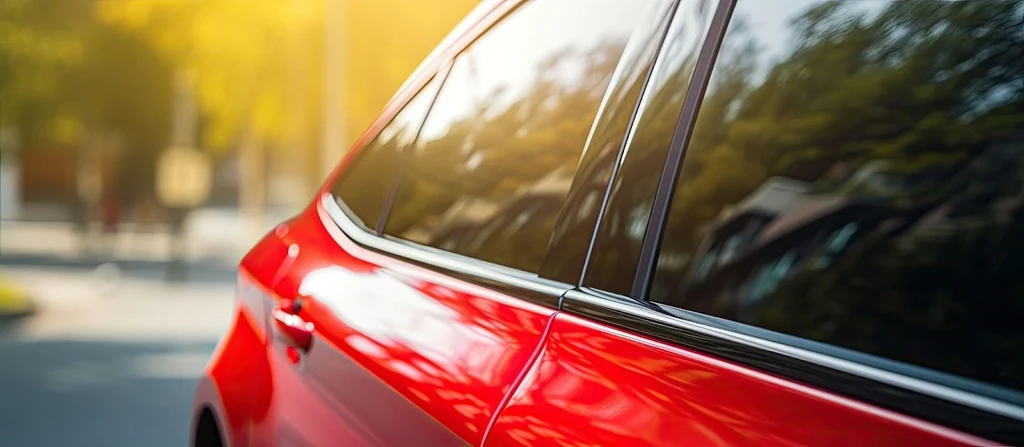
1. Park in the Shade Whenever Possible
The easiest and most effective way to shield your car from UV rays costs absolutely nothing: park in covered or shaded areas. Whenever you have the choice, park inside a home garage, under a carport, or in an underground parking structure. Eliminating direct sunlight prevents the clear coat from reaching elevated temperatures that accelerate oxidation and clear coat breakdown.
When outdoor parking is your only option, look for shade provided by nearby buildings or structures. While parking under trees offers shade, be mindful of tree sap, falling leaves, and bird droppings, which become extra sticky under heat. If you park under trees, make sure to inspect and clean off any organic debris before driving away so it doesn't bake into your paint under the sun.
2. Apply a Synthetic Wax or Paint Sealant Regularly
Think of car wax or paint sealant as sunscreen for your vehicle. Applying a quality layer of synthetic wax creates an invisible sacrificial barrier on top of your clear coat. This layer absorbs much of the incoming UV radiation, slowing down the chemical oxidation process that leads to dull, chalky paint over time.
While traditional natural carnauba wax delivers a beautiful warm shine, it breaks down quickly under high heat. Synthetic polymer sealants, on the other hand, withstand much higher outdoor temperatures and typically offer solid protection for 4 to 6 months. Reapplying a paint sealant twice a year ensures your clear coat remains continuously guarded against fading and environmental stress.
3. Upgrade to Ceramic Coating for Long-Term UV Resistance
If you want superior, multi-year sun protection without having to apply wax every few months, a ceramic coating is the ultimate solution. Made primarily of Silicon Dioxide (SiO2), ceramic coatings chemically bond with your factory clear coat to form an ultra-durable, heat-resistant quartz layer.
Because ceramic coatings do not melt or degrade under high ambient temperatures, they block UV rays far more effectively than traditional waxes. Additionally, their hydrophobic surface repels water, dirt, and road grime, making your car significantly easier to clean while preserving its original color, reflection, and deep glossy shine for years.
4. Wash and Hand-Dry Your Car Frequently
Dust, dirt, pollen, and highway road film do more than just make your car look dirty—they act as magnifiers under direct sunlight. When layer upon layer of grime sits on your paint, it traps solar heat on the surface, raising panel temperatures even higher and speeding up clear coat degradation.
Washing your car every one to two weeks removes these heat-trapping particles before they do lasting damage. Always wash in the shade or during cooler morning hours using a gentle, pH-neutral car shampoo. After washing, dry the vehicle thoroughly with a soft microfiber drying towel to prevent tap water droplets from acting as tiny magnifying lenses that bake mineral spots into your paint under the sun.
5. Use a High-Quality, Breathable Car Cover
If your car sits parked outdoors for long stretches—such as during work shifts, vacations, or weekends—a custom-fit car cover provides complete physical protection against intense sunlight, ambient heat, and airborne pollutants.
It is essential to choose a high-quality, breathable car cover designed for outdoor use. Breathable fabrics allow trapped moisture and condensation to evaporate out, preventing heat buildup and mold under the cover. Always ensure your car's body is clean before putting the cover on; sliding a cover over a dirty car can drag loose dust across the finish and cause fine surface scratches.
6. Clean Off Bird Droppings and Tree Sap Immediately
Sunlight makes acidic contaminants significantly more dangerous. Bird droppings, crushed insects, and tree sap contain corrosive compounds that expand under sun heat. As the metal panels hot-expand during the day and cool down at night, the acid bakes directly into the warming clear coat, leaving permanent etching marks behind.
Never let bird droppings sit on your car for days during hot weather. Keep a small bottle of quick detailer spray and a clean microfiber cloth in your glove box or trunk. Spray the spot generously to soften the dried deposit, wait 30 seconds, and gently wipe it away without scrubbing to keep your paint pristine.
7. Protect Exterior Trim, Plastics, and Windshields
Paint isn't the only external component vulnerable to UV damage. Unpainted black plastic bumpers, side mirror housings, rubber window seals, and headlight lenses oxidize and turn chalky or yellow when exposed to heavy sunlight over time.
Apply a dedicated UV-blocking trim protectant or ceramic trim coating to all unpainted plastic and rubber trim pieces to prevent fading and cracking. Using a windshield sunshade inside your car while parked also reduces interior cabin temperatures dramatically, preventing dashboard cracking while keeping the sun from heating your panels from the inside out.
Want Premium Sun Protection for Your Vehicle?
Don't let intense sun and UV radiation dull your car's original shine. Our certified surface specialists at carprotectify.pro offer professional paint correction, ceramic coatings, and high-grade UV protectants tailored to your driving environment.
All Articles