Choosing Between PPF and Ceramic Coating for New Cars
Taking delivery of a brand-new vehicle is one of the most rewarding milestones for any car enthusiast or everyday commuter. That factory-fresh gloss, flawless reflection, and smooth paint surface create a stunning first impression. However, the moment your car rolls out of the dealership showroom and onto public roads, its delicate exterior clear coat comes under constant attack. From airborne road gravel, loose stones, and construction grit to acidic bird droppings, harsh ultraviolet sun rays, and chemical fallout, daily driving hazards are virtually everywhere. To keep your valuable asset looking immaculate for years to come, proactive surface protection is no longer a luxury—it is an absolute necessity. Two dominant technologies control today’s detailing market: Paint Protection Film (PPF) and Liquid Ceramic Coatings. While both solutions are designed to preserve your vehicle's value, they rely on entirely different materials, application techniques, and protective mechanisms. In this comprehensive, deep-dive guide, we explore 7 detailed points to help you evaluate which option aligns perfectly with your driving habits, parking environment, and budget.
1. Understanding What Paint Protection Film (PPF) Actually Is
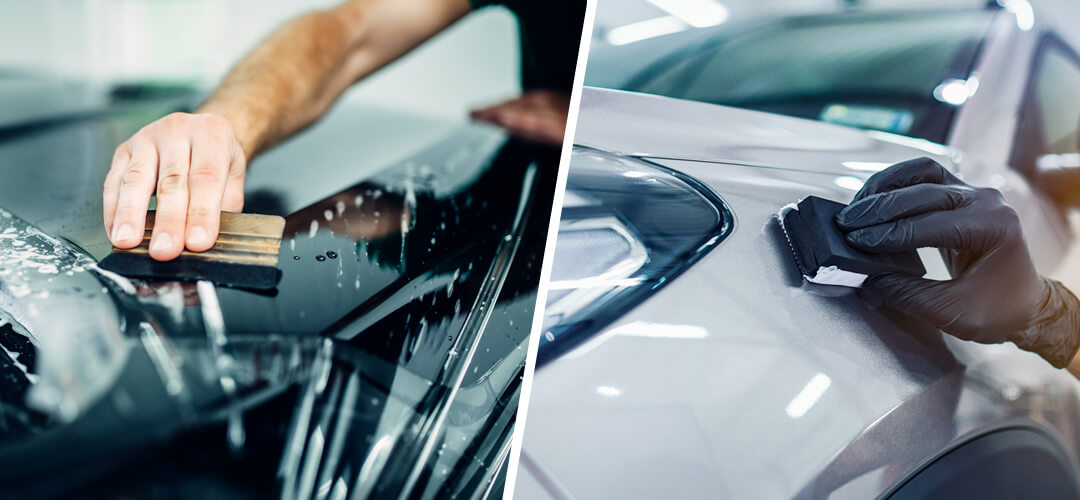
Paint Protection Film, widely known in the automotive industry as PPF or "clear bra," is a high-grade, multi-layered thermoplastic polyurethane (TPU) film applied directly onto the vehicle's painted panels. Originally engineered during the Vietnam War to shield military helicopter rotor blades from flying gravel and debris, this advanced material has evolved into the ultimate armor for modern passenger vehicles. High-quality PPF consists of several functional layers: an acrylic adhesive base that bonds firmly to your factory paint without damaging the clear coat, a thick polyurethane core that absorbs heavy physical energy, and a clear elastomeric topcoat engineered with self-healing properties.
Because PPF is a physical barrier measuring anywhere between 6 to 10 mils (thousandths of an inch) in thickness, it operates like an invisible suit of ballistic body armor for your car. When a flying stone strikes a bumper covered in PPF, the elastic polyurethane material absorbs the kinetic energy and disperses it laterally across the film layer. As a result, the force never reaches your underlying metal or plastic panels. This makes PPF the single most reliable defence against severe rock chips, key scratches, shopping cart scrapes, and highway gravel wear on high-impact zones like hoods, fenders, side mirrors, and lower rocker panels.
2. Discovering the Science Behind Liquid Ceramic Coating
Unlike a pre-formed plastic sheet, ceramic coating is a liquid nano-technology formulation built primarily from Silicon Dioxide (SiO2) or Silicon Carbide (SiC). When meticulously applied by hand onto a perfectly prepped, decontaminated, and polished paint surface, the liquid ceramic fills the microscopic pores and invisible valleys inherent in factory clear coat finishes. Through a complex chemical reaction, the coating cross-links with the top molecules of your paint, curing into a semi-permanent, glass-like quartz shell that stays bonded for years rather than weeks.
The principal genius of a professional ceramic coating lies in its surface tension manipulation and chemical resistance. Once fully cured, the coating creates an extremely smooth surface that repels organic and inorganic contaminants with ease. Acidic substances like bird droppings, squashed insects, tree sap, and industrial fallout—which normally etch permanently into clear coats under hot summer sunlight—are prevented from bonding directly to your car's paint. Furthermore, ceramic coatings block aggressive UV radiation, preventing chemical oxidation, premature fading, and chalky discoloration from destroying your vehicle's rich color over time.
3. Comparing Physical Impact and Scratch Protection Capabilities
Understanding the practical limits of physical protection is where many car owners get confused. It is crucial to state this clearly: a ceramic coating will not protect your car against stone chips, sharp door dings, or deep scratches. Because a ceramic coating cures into a micro-thin layer measuring less than 1 to 2 microns, it possesses virtually no mass or flexibility to absorb kinetic impacts. While it improves surface hardness (often rated up to 9H on the pencil hardness scale) to resist fine wash swirls and light towel marks, a stone flying off a truck tire at high speeds will cut right through ceramic coating and chip your factory paint beneath.
If your primary goal is absolute peace of mind against physical damage, Paint Protection Film stands in a league of its own. In fact, premium PPF products feature a heat-activated topcoat that can heal itself from light surface scratches and swirl marks. If a branch scrapes along your door or a dry washing mitt leaves fine lines, simply pouring hot water over the film or parking the car under direct sunlight causes the elastomeric polymers to return to their original, smooth shape automatically. For highway drivers who frequently encounter road debris, PPF is the only product that stops physical rock impact.
4. Evaluating Gloss, Depth, Visual Appearance, and Finish Quality
Visual aesthetics play a major role in choosing surface protection. Modern, optically clear PPF has come a long way from the early yellowing, orange-peel-heavy films of the past. Today’s top-tier films are virtually invisible when installed correctly by certified professionals. Wrapped edges mean no visible seams, allowing your car’s original paint tone and metallic flakes to shine through naturally without distortion. You can even choose matte or satin PPF finishes to instantly convert a standard glossy car into a sleek, stealthy vehicle while preserving full physical protection.
However, if maximum reflective depth and wet-look shine are your ultimate priorities, ceramic coating remains the undisputed champion. Because the liquid ceramic fills in micro-imperfections on the clear coat, light reflects off the painted surface with incredible uniformity. Darker paint colors like metallic black, deep blue, and candy red gain an astonishing level of optical depth, richness, and glass-like gloss that looks perpetually freshly polished. When you look at a ceramic-coated vehicle under bright sunlight or streetlights, the paint appears liquid and hyper-reflective in a way that standard clear film simply cannot replicate on its own.
5. Maintenance Routines, Cleaning Ease, and Hydrophobic Action
One of the greatest benefits of investing in modern detailing protection is reducing the time, effort, and energy required to keep your car looking clean. Here, ceramic coating shines brightest due to its extreme hydrophobic (water-repellent) and oleophobic (oil-repellent) properties. Water beads up into tight, uniform spheres on contact and rolls off the panels, sweeping away loose dust, surface dirt, and road grime along with it. This self-cleaning effect means your vehicle stays cleaner for much longer between routine washes.
When wash day arrives, a ceramic-coated car requires very little effort. Bug splatter, road tar, and brake dust melt away effortlessly with a basic pressure washer rinse and a mild pH-neutral car shampoo, eliminating the need for aggressive scrubbing or clay bar treatments. PPF also offers great stain resistance and water sheeting, but its edges and seams require a touch more care during cleaning. For example, high-pressure water wands must be kept at a safe distance from film edges to prevent lifting. Overall, both treatments free you from the outdated chore of applying paste wax every few months.
6. Investment Costs, Expected Lifespan, and Warranty Coverage
Upfront cost is usually the deciding factor for most vehicle owners. Installing Paint Protection Film is a highly labor-intensive process that demands meticulous panel preparation, custom computer-cut plotting, and skilled technicians who carefully stretch and squeegee the film over complex body curves. Consequently, full-vehicle PPF installation represents a major financial investment, often costing several times more than a multi-year ceramic coating package. However, premium PPF products are built to last, generally backed by manufacturer warranties spanning 7 to 10 years against yellowing, cracking, peeling, or blistering.
Ceramic coatings present a significantly lower initial entry cost while offering substantial long-term value. A professionally applied coating package typically carries a lifespan ranging from 2 to 5 years depending on the formula, environmental exposure, and washing habits. For budget-conscious car owners who want to maximize protection without breaking the bank, a smart hybrid combination has become increasingly popular: installing full front-end PPF (covering the bumper, hood, fenders, and side mirrors to fight rock chips) while coating the rest of the body with professional ceramic coating to keep maintenance easy and gloss ultra-high.
7. Making Your Final Decision Based on Your Driving Lifestyle
To decide which protection route is right for your new vehicle, step back and evaluate how you actually use your car every day. If you drive long distances on open highways, navigate active construction zones, park in crowded public spots where door dings are common, or intend to keep your car for a decade, investing in Paint Protection Film is the smartest choice you can make. It protects your original paint, preserves high resale value, and gives you total confidence whenever you drive behind heavy trucks spitting out loose gravel.
On the other hand, if your car is primarily driven in urban traffic, parked overnight inside a safe private garage, and your primary goal is effortless maintenance, extreme water beading, and unmatched showroom mirror gloss, a high-grade Ceramic Coating is all you need. Ultimately, both choices are excellent investments that protect your asset far better than leaving factory paint exposed to the elements. Assess your driving environment, evaluate your long-term plans for the vehicle, and let our dedicated team at carprotectify.pro help you craft the perfect protection package today.
Ready to Protect Your New Investment?
Don't let highway stones and environmental contaminants ruin your vehicle's factory shine. Our certified protection specialists at carprotectify.pro are ready to inspect your paint, discuss your driving needs, and recommend a customized PPF or Ceramic Coating package suited to your budget.
All Articles